Posted on 27/09/2026
RM6 Wedding Flowers Guide for Marks Gate and Chadwell Heath
Planning wedding flowers in RM6 can feel beautifully exciting and slightly overwhelming at the same time. One minute you are thinking about roses, ribbons, and aisle flowers; the next you are wondering what actually suits a venue in Marks Gate or Chadwell Heath, how much to budget, and what to order first. This RM6 wedding flowers guide for Marks Gate and Chadwell Heath is here to make the whole thing feel clearer, calmer, and a lot more doable.
Whether you want a simple, elegant look or something fuller and more romantic, the right flowers should match your day, your venue, and your practical plans. Let's face it, wedding flowers are not just decoration. They shape the mood of the room, show up in the photos, and set the tone from the moment guests arrive.
In this guide, you will find a practical breakdown of how to plan wedding flowers in the RM6 area, what to prioritise, common mistakes to avoid, and how to choose arrangements that feel right for the occasion. We will also look at useful local buying considerations, seasonal choices, and a few expert pointers that can save you stress later. Nothing fancy for the sake of it. Just useful guidance that helps you make confident decisions.
Table of Contents
- Why RM6 Wedding Flowers Matter
- How Wedding Flower Planning Works
- Key Benefits and Practical Advantages
- Who This Is For and When It Makes Sense
- Step-by-Step Guidance
- Expert Tips for Better Results
- Common Mistakes to Avoid
- Tools, Resources and Recommendations
- Law, Compliance, Standards, or Best Practice
- Options, Methods, or Comparison Table
- Case Study or Real-World Example
- Practical Checklist
- Conclusion
- Frequently Asked Questions
Why RM6 wedding flowers guide for Marks Gate and Chadwell Heath Matters
Wedding flowers are one of those details that can look effortless when done well, but they usually take more planning than people expect. In Marks Gate and Chadwell Heath, couples often want arrangements that feel personal and polished without becoming unmanageable on the day. That balance matters. A lot.
The RM6 area has a mix of home-based celebrations, church ceremonies, local reception spaces, community venues, and smaller intimate weddings. Each setting changes the floral brief slightly. A grand entrance arrangement may suit one venue, while another might need compact pieces that travel easily and do not crowd the room. If you ignore the venue shape, lighting, or table space, flowers can end up looking lovely in theory but awkward in real life.
There is also a timing point that people sometimes overlook. Flowers are living materials. They behave differently depending on temperature, transport time, and how long they need to last before the ceremony. On a warm afternoon, for example, delicate blooms may need more careful handling than expected. You do not need to become a florist overnight, thankfully, but a little planning goes a long way.
For local couples, this guide matters because it helps you make decisions that fit RM6 realities: delivery timing, venue access, budget control, and style choices that look good in London light. That sounds small, but it can be the difference between a rushed order and a day that feels settled and beautiful.
Expert summary: the best wedding flowers are the ones that suit the venue, the season, the budget, and the couple. Not just the prettiest option on a screen.
How RM6 wedding flowers guide for Marks Gate and Chadwell Heath Works
The planning process is simpler when you break it into steps. Most wedding flower orders follow a similar path, even when the final style is very different.
First, you decide the scope. Are you looking for bridal bouquets only, or do you need bridesmaid bouquets, buttonholes, table arrangements, and a floral piece for the ceremony backdrop? If you start with only one bouquet in mind, the rest can get tacked on later without a clear visual theme. That is where things can feel slightly messy.
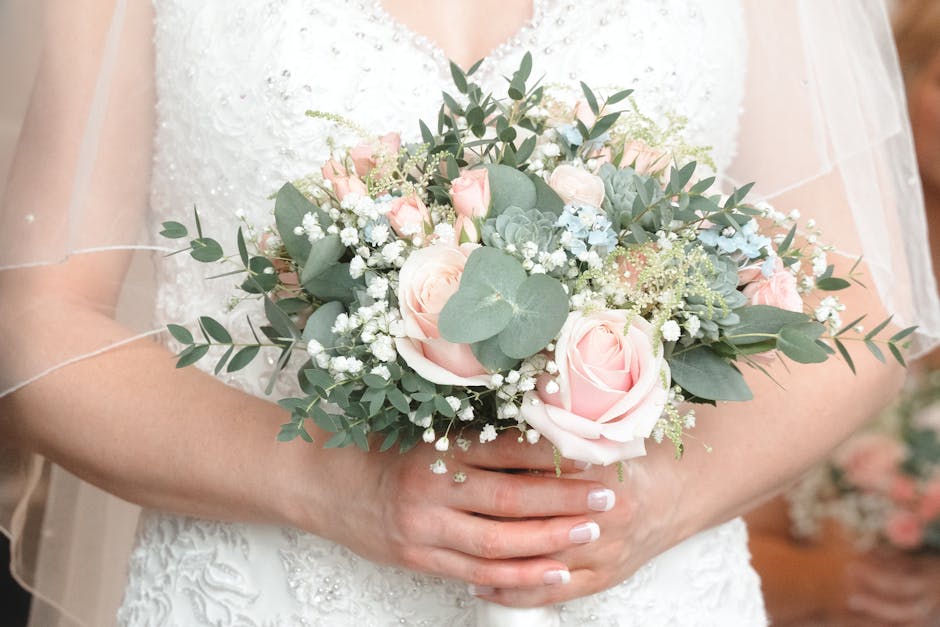
Next, you choose the mood. Do you want classic whites and greens, soft pink romance, bold statement colours, or a mixed seasonal palette? This is not just about taste. It affects how the whole wedding reads in photos and how formal or relaxed the setting feels. A bouquet can quietly tell a story before anyone says a word.
Then comes practicality. You will want to think about flower durability, venue access, travel distance, and how the flowers will be stored before the ceremony. If the wedding is in the morning and the reception is later, arrangements need to survive a fair bit of movement. That is normal, but it needs planning.
If you are browsing product categories to get a feel for the style range, the wedding sections at wedding collections, bridal bouquets, and table arrangements can help you compare options before you commit to a final plan.
Finally, the order is confirmed, delivery details are checked, and the florist prepares the pieces for the right time window. That last part may sound dull, but honestly it is one of the most important bits. A beautiful bouquet delivered too early or too late is not beautiful for long.
Key Benefits and Practical Advantages
Well-planned wedding flowers do more than look attractive. They reduce stress, support the style of the day, and make your photos feel cohesive. That sounds obvious, but the practical benefits go beyond aesthetics.
- Clear visual identity: Flowers help create a consistent look across the ceremony, reception, and photographs.
- Better budget control: When you know your priorities, you avoid overspending on extras that do not add much value.
- More venue fit: Flowers can be scaled to match smaller local venues or more spacious settings.
- Smarter timing: Choosing flowers that travel and hold well reduces last-minute panic.
- Personal expression: The right colours and stems can reflect your taste without needing a huge display.
One quiet benefit people appreciate after the wedding is how well chosen flowers can tie everything together without feeling forced. A bride's bouquet, a few buttonholes, and modest table pieces can make the day feel complete. Not overdone. Just right.
If you are working with a tighter budget, the local range of styles in budget-friendly flower options can help you keep the look polished without drifting into unnecessary expense. Affordable does not have to mean plain. That's the trick.
Who This Is For and When It Makes Sense
This guide is useful for several kinds of couples and families planning in or around RM6.
- Couples planning a local ceremony: especially if the venue is in Marks Gate, Chadwell Heath, or nearby.
- Anyone balancing style and budget: common enough, and totally sensible.
- People choosing flowers for a short planning window: when the wedding date is close and decisions need to be made quickly.
- Couples who want a specific colour story: such as white and green, blush pink, or richer romantic tones.
- Families helping with the arrangements: often the practical heroes of the day.
It also makes sense if you are not sure where to start. Many people know they want "nice flowers" and not much else. Fair enough. That is actually a normal starting point. This guide helps turn that broad idea into a plan.
For example, if the bride wants a classic ivory bouquet, the groom needs a buttonhole, and the reception tables need something understated, you do not need a huge floral concept. You need a tidy, coordinated selection. Simple but thoughtful. In many cases, that wins.
Step-by-Step Guidance
1. Start with the venue and timing
Before choosing blooms, think about where the flowers will be seen and how long they need to last. A small indoor room, a bright hall, and a church service all place different demands on arrangements. If the room is warm, avoid designs that are likely to wilt quickly.
2. Decide your core pieces first
Most wedding flower plans should begin with the key items: bridal bouquet, bridesmaid bouquets, buttonholes, and ceremony or table arrangements. Once these are set, you can decide whether to add extra pieces such as corsages or larger displays.
Useful product categories include bridesmaid bouquets, buttonholes, and wedding corsages.
3. Choose a colour palette
Pick two or three main colours and stick with them. Too many tones can make the flowers feel busy. If you love colour, you can still have it, but it helps to choose a dominant palette first. White and blush feels soft. Red and ivory feels bold. Mixed pastels can feel light and spring-like.
4. Match the flowers to the season and setting
Seasonal choices usually feel more natural and are often easier to work with. They do not need to be strictly seasonal, but it helps. Summer weddings can lean towards fuller, brighter blooms, while cooler months often suit more structured, elegant compositions. The venue style matters too. A rustic room and a formal hotel space rarely want the same thing.
5. Confirm quantities and placement
Write down what goes where. It sounds almost too basic, but this one step saves headaches. Who carries which bouquet? How many buttonholes are required? Which table gets a centrepiece? Are there any flowers needed for the cake table, guestbook area, or ceremony entrance?
6. Check delivery and storage details
Flowers need a sensible delivery window and somewhere cool to rest before use. Ask how the arrangements should be handled once they arrive. If the weather is warm or the journey is longer, this becomes even more important. A short, clear plan here is worth its weight in roses.
7. Allow for a backup plan
It is wise to leave a little flexibility in the design and delivery plan. Weddings are full of moving parts. Transport runs late, a venue changes access times, somebody forgets a buttonhole. Small things happen. The goal is not perfection in the abstract; it is a beautiful day that still flows smoothly.
Expert Tips for Better Results
If you want your wedding flowers to look refined rather than just plentiful, these little decisions matter more than people think.
- Choose one focal flower: Let one bloom lead the design instead of trying to feature everything at once.
- Use texture as well as colour: Greenery, softer filler flowers, and different petal shapes add depth.
- Keep bouquets proportional: A bouquet that is too large can overwhelm the dress; too small can disappear in photos.
- Think about movement: Flowy bouquets photograph beautifully, but they also need a firm hand and careful structure.
- Ask for a sample style direction: even a simple reference can save miscommunication later.
One practical tip that gets overlooked: tell the florist what you do not want. If you dislike heavily scented flowers, say so. If you want lighter, less bulky arrangements, say that too. It is much easier to avoid a problem than to fix it after the flowers have been made.
Another thing. If you are aiming for a clean modern look, consider pairing a bridal bouquet with a coordinated selection from collections such as white bridal styles or a softer design from romantic bouquet options. The best results usually come from a consistent visual thread, not from chasing ten different ideas at once.
And yes, bring photos. Even if they are a bit mixed together on your phone. One screenshot is worth a long conversation sometimes.
Common Mistakes to Avoid
Wedding flowers are easy to get wrong in small ways. None of them are dramatic on their own, but they can add up.
- Ordering too late: Popular dates fill quickly, and rushed decisions tend to be less thoughtful.
- Choosing only by price: Cheapest is not always best if the flowers do not suit the day or last well enough.
- Forgetting buttonholes and corsages: These are tiny items, but they matter in photos and family moments.
- Ignoring venue proportions: A small table does not need a towering arrangement.
- Mixing too many colours: This can make the day feel less cohesive than intended.
- Not asking about delivery timing: A gorgeous bouquet still needs to arrive in the right condition and at the right moment.
A subtle mistake is overcomplicating the design. People sometimes try to include every flower they like because, well, it's their wedding and why not? But the cleanest arrangements often look the most elegant. A little restraint usually helps.
Another common issue is not checking whether everyone in the bridal party needs the same style or a scaled variation. Bridesmaid bouquets should complement the bridal bouquet, not compete with it. Simple. Really.
Tools, Resources and Recommendations
You do not need specialist software to organise wedding flowers, but a few simple tools can help keep things tidy.
- A mood board: collect colour ideas, bouquet shapes, and venue photos in one place.
- A written flower list: include each item by name and quantity.
- A budget note: keep track of what is essential versus optional.
- A venue checklist: note table sizes, ceremony space, access times, and storage options.
- A photo folder: save examples of bouquets and arrangements you genuinely like.
If you want to browse closely related wedding styles, the curated pages for wedding collections and bridal bouquet styles are useful for comparing tone, shape, and level of detail. For buttonholes, the range of groom buttonhole options is a good starting point if you want something classic and dependable.
For a more compact reception setup, table designs such as mixed floral centrepieces can give the room presence without taking over the tables. That is often the sweet spot.
Law, Compliance, Standards, or Best Practice
Most wedding flower planning is not heavily regulated, but there are still sensible best practices to follow in the UK context. These matter less because of formal rules and more because they protect your day, your budget, and your peace of mind.
First, be clear on payment terms, cancellation terms, and refund expectations before you confirm anything. Read the florist's terms carefully. That sounds boring, yes, but it prevents misunderstandings later. Weddings are emotional enough without arguing about what was agreed.
Second, if the flowers are being delivered to a venue, make sure access instructions are accurate. Some venues have strict arrival windows, loading zones, or reception staff who need advance notice. A small missed detail can create unnecessary stress.
Third, if you are using flowers in a church or faith setting, check whether there are any local preferences about placement or timing. These are often practical rather than formal rules, and a quick conversation is usually enough.
Finally, good floristry practice means flowers should be prepared safely, handled cleanly, and delivered in a way that protects the arrangement. If you are choosing a provider, look for clear communication, transparent policies, and consistent product descriptions. A calm, organised approach usually tells you a lot.
You may also want to review practical site information such as delivery details, payment information, and the terms and conditions before placing a wedding order. Not glamorous, I know, but important.
Options, Methods, or Comparison Table
Wedding flowers can be planned in a few different ways. There is no single correct method; it depends on your style, timing, and how much coordination you want to handle.
| Approach | Best For | Strengths | Watch Out For |
|---|---|---|---|
| Simple core set | Small weddings, tight budgets, intimate venues | Easy to manage, elegant, cost-conscious | Can feel sparse if the venue is large |
| Coordinated full set | Couples wanting a consistent look across all areas | Strong visual unity, good for photos | Needs more planning and clearer budget control |
| Statement bouquet with minimal extras | Couples who want the bride's flowers to stand out | High impact, less complexity elsewhere | Other parts of the day may feel less decorated |
| Seasonal mixed design | Couples open to texture and natural variety | Feels fresh, organic, often visually rich | Can become busy if colour choices are not disciplined |
In practice, many RM6 weddings work best with a blended method: one standout bridal bouquet, a few support pieces, and compact table arrangements. That gives enough atmosphere without making the whole day feel crowded.
Case Study or Real-World Example
Imagine a couple planning a late spring wedding in Chadwell Heath. They want the day to feel soft and romantic, but not too formal. The venue is a local hall with modest table space and warm afternoon light. They originally thought they needed large floral displays everywhere. After walking through the layout, though, it became obvious that smaller arrangements would actually suit the room better.
So they shifted the plan. The bride chose a bouquet with white and blush tones, the bridesmaids carried smaller coordinated versions, the groom and ushers had matching buttonholes, and the tables had low arrangements instead of tall ones. Nothing screamed for attention, but everything worked together. Guests noticed the flowers. More importantly, the couple noticed how calm the room felt.
There was a tiny delivery wrinkle too, because of access timing at the venue. The flowers arrived slightly earlier than planned, which turned out fine because there was a cool room available for storage. That little detail made a big difference. Without it, the flowers might have looked tired before the ceremony even started.
The lesson? The right flower plan is rarely the one with the most flowers. It is the one that fits the venue, the timing, and the mood. Truth be told, the best weddings often look easy because someone has done the behind-the-scenes thinking properly.
Practical Checklist
Use this checklist when finalising your wedding flowers in RM6.
- Confirm the wedding date and delivery window.
- List every floral item needed: bouquet, bridesmaid bouquets, buttonholes, corsages, table pieces, and any extras.
- Choose a clear colour palette.
- Check venue size, lighting, and table space.
- Decide whether you want seasonal or all-year-round flowers.
- Set a realistic budget before adding optional pieces.
- Ask about delivery, storage, and handling instructions.
- Confirm payment terms and cancellation policy.
- Choose one or two focal styles rather than too many competing ideas.
- Keep a contact number ready for the day itself in case timing needs a quick check.
A good rule of thumb: if something feels vague, ask again. Better to sound careful than to discover a gap the morning of the wedding. Nobody wants that.
Conclusion
Planning flowers for a wedding in Marks Gate or Chadwell Heath does not need to feel complicated. The most successful arrangements usually come from a simple process: define the venue, set the mood, choose the key pieces, and keep the design consistent. Once those basics are in place, everything else becomes easier.
This RM6 wedding flowers guide for Marks Gate and Chadwell Heath is really about helping you make calm, practical decisions while still creating something beautiful. That balance matters. A wedding should feel personal, warm, and put together - not overworked or stressful.
If you are still at the early planning stage, start with the core items and build out from there. If you already have ideas, use them to sharpen your choices rather than multiply them. Simple, thoughtful, and well-timed flowers can do more than a huge display ever could.
Get a free quote today and see how much you can save.
And if the day feels a little busy along the way, that is perfectly normal. The right flowers will still do their job quietly, beautifully, and with a bit of grace.
Frequently Asked Questions
What flowers are best for a wedding in RM6?
The best flowers depend on your style, season, venue, and budget. Roses, lilies, orchids, lisianthus, and mixed seasonal blooms are all common choices because they can be styled in a wide range of ways.
How far in advance should I order wedding flowers?
It is sensible to plan wedding flowers as early as you can, especially for busy dates. The earlier you confirm the main items, the easier it is to secure the style and timing you want.
Can I keep my wedding flowers budget-friendly without them looking cheap?
Yes. A limited colour palette, fewer focal pieces, and well-chosen arrangements can look elegant without being expensive. Compact designs often look more refined than oversized ones anyway.
What should I prioritise if my budget is tight?
Start with the bridal bouquet, then add key items such as bridesmaid bouquets and buttonholes. After that, decide whether table arrangements or ceremony flowers are more important for your venue.
Do wedding flowers need to match the bridesmaids exactly?
No. They should coordinate, not clone each other. Similar tones, shapes, or flower types usually work better than exact matching, which can feel a bit rigid.
Are seasonal flowers better than year-round flowers?
Seasonal flowers often feel more natural and can be easier to style beautifully. That said, year-round flowers are useful when you want a specific look or more predictable availability.
How many buttonholes do I need for a wedding?
That depends on who is wearing them. Typically, the groom, ushers, fathers, and possibly grandfathers are included, but every wedding is different. A written list helps avoid misses.
What is the difference between a bridal bouquet and a bridesmaid bouquet?
A bridal bouquet is usually the main statement piece and often larger or more detailed. Bridesmaid bouquets are coordinated versions that support the bridal flowers without distracting from them.
Can wedding flowers be delivered on the same day?
In many cases, yes, depending on the florist's schedule and the delivery area. For wedding work, however, timing should be arranged carefully so the flowers arrive fresh and ready to use.
What should I ask before confirming my order?
Ask about delivery timing, storage advice, payment terms, cancellation policy, and what happens if you need to make a small change. Clear answers now save stress later.
How do I choose colours that suit my venue?
Look at the room itself. Darker rooms may suit brighter flowers, while light-filled spaces often work well with soft, muted palettes. If in doubt, bring in a small sample of your favourite colours and compare them in the actual setting.
Where can I browse wedding flower options online?
You can explore wedding-focused ranges such as wedding flowers, bridal bouquets, and table arrangements to compare styles before deciding what suits your day best.
What if I am not sure which style I want yet?
Start with the venue, your dress, and the overall mood you want the day to have. From there, choose one or two reference styles and work outward. It is much easier to refine an idea than to start from a blank page.